Engineered for water
Our access systems are designed to withstand the unique demands of
floating solar environments, from water fluctuation to extreme weather.
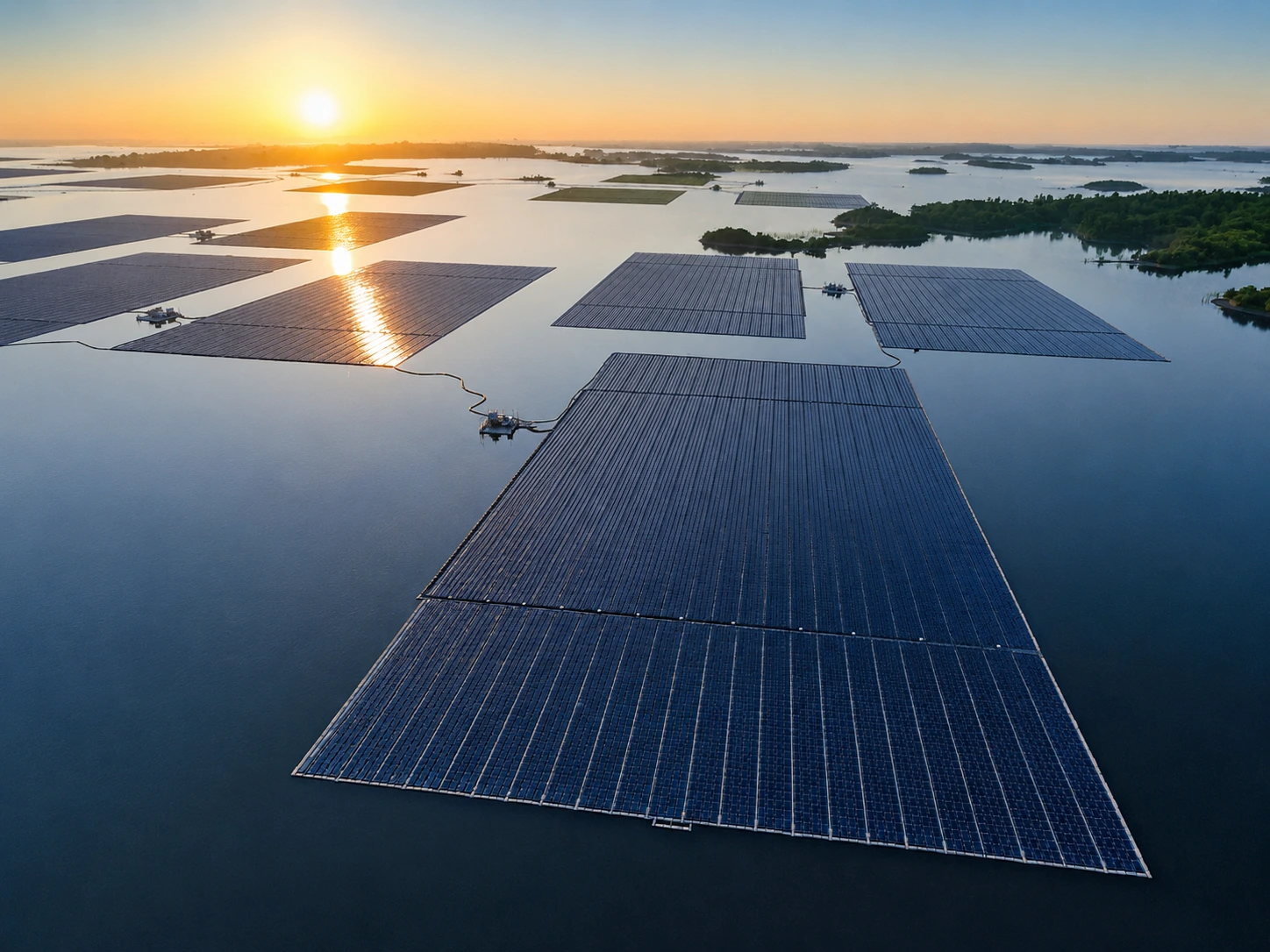
Modular, durable and rapidly deployable. Access Pontoons keep your team moving across arrays, shorelines and open water without breaking stride.
Water is no longer a barrier. Access Pontoons are engineered to take you further across floating solar arrays, along shorelines, between islands, and over every stretch of water that stands between your team and the job.
From array walkways to shore-based jetties and fully independent standways one modular system, configured to the way your site actually works.
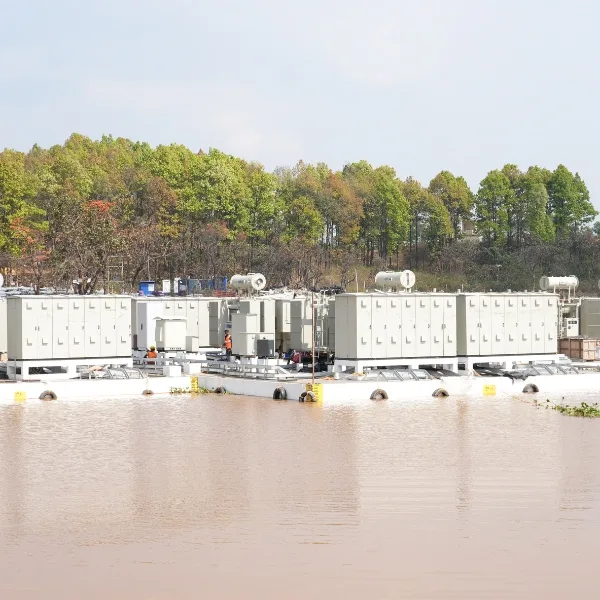
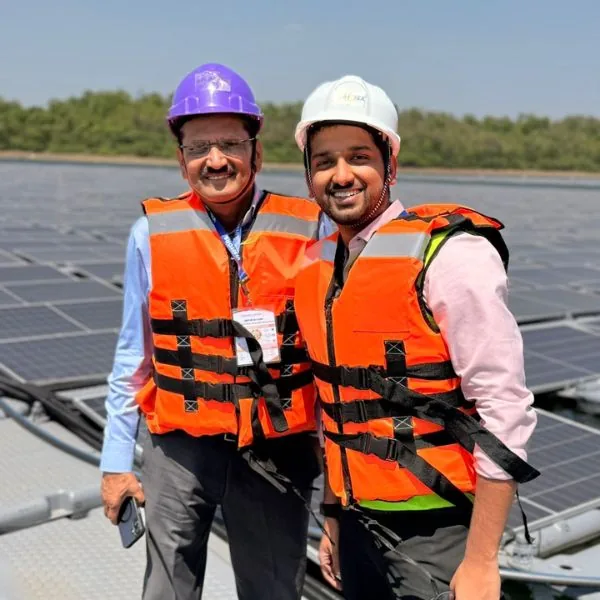
Access Pontoons serve as dedicated walkway floats across floating solar arrays, giving EPC teams reliable underfoot access during installation, inspection and upkeep without disrupting the array structure.
When land meets water, Access Pontoons step in. Deployed along shorelines as jetty platforms, they create a stable docking and operational base for equipment, personnel and logistics built to handle the demands of active project sites.
Bridging two islands or connecting separate floating structures is no longer an engineering challenge. Access Pontoons interlink seamlessly to form continuous, load-bearing walkways across open water modular by design, scalable by need.
Not every application needs a shoreline anchor. Access Pontoons operate as fully independent floating standways self-sufficient platforms deployed wherever a stable water-surface base is required, with no fixed structure needed.
From single-array walkways to plant-wide access networks, our systems are deployed across some of the largest floating solar projects in the world - built to perform season after season.
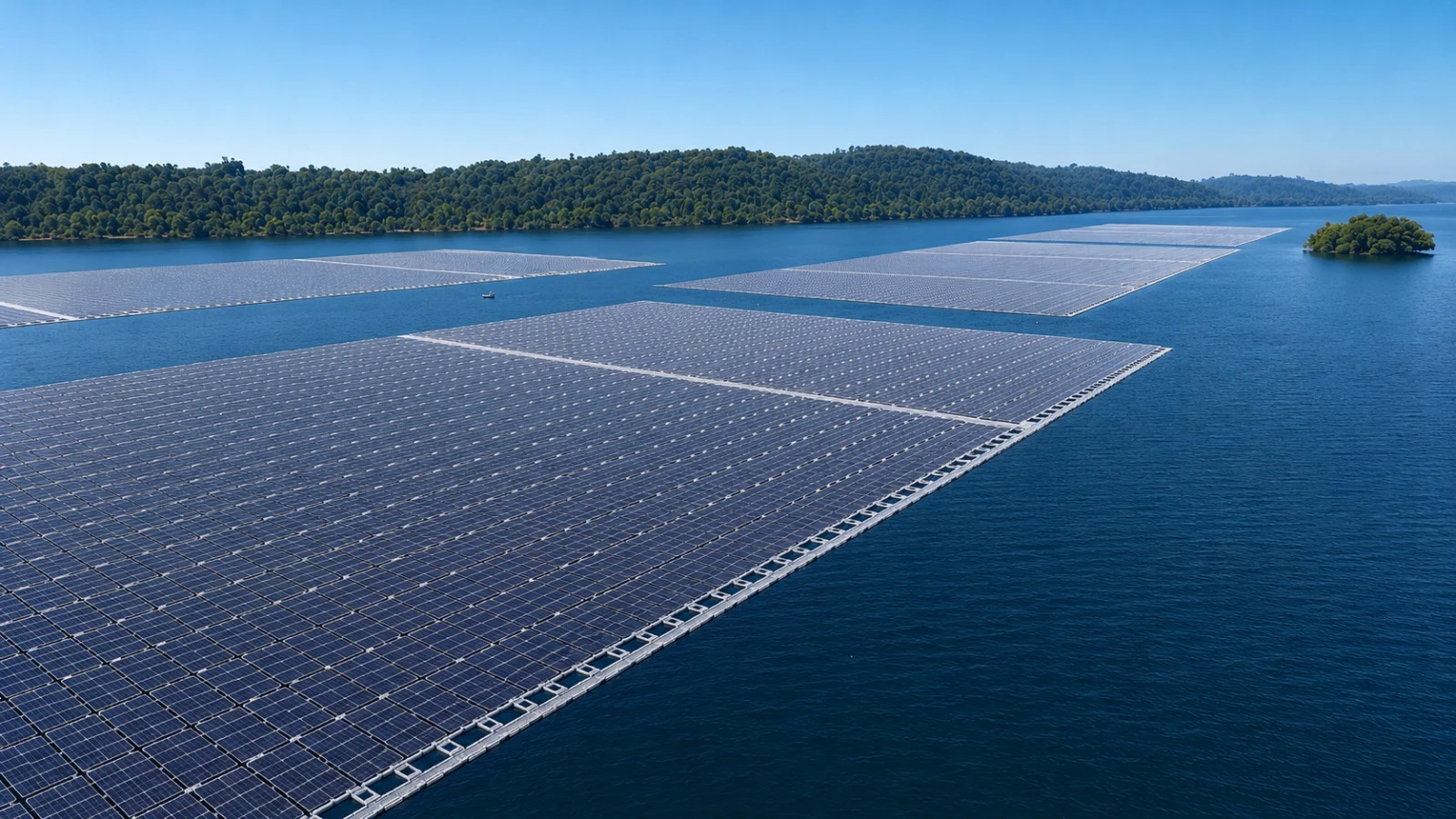
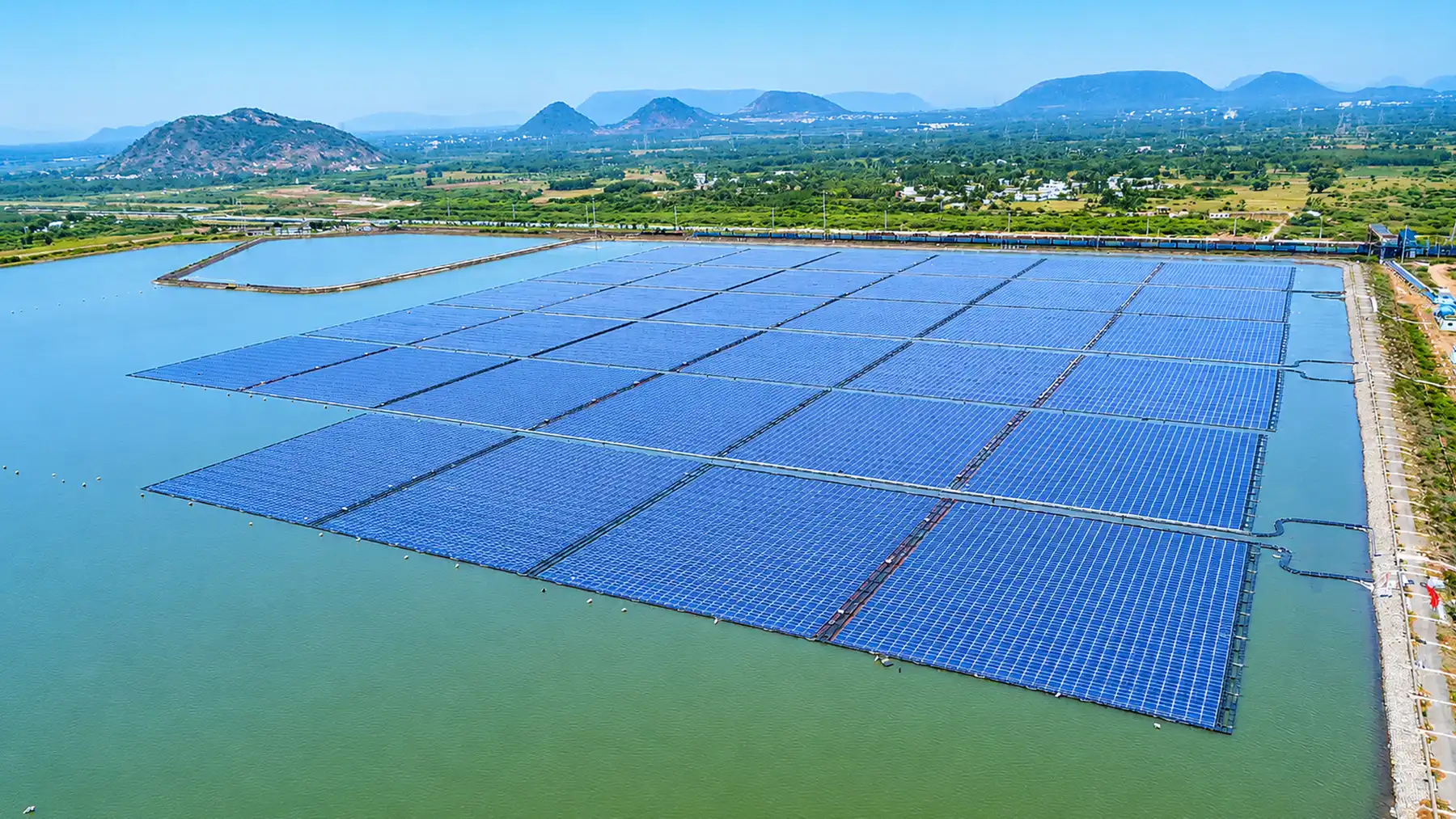
From the first walkway to the final platform, our access systems are built on-site and deployed fast - keeping crews safe and projects moving.
Take a look at some of the highlights of our floating solar projects in India.
VIEW ALL PROJECTSWe also provide supervision services to support your contractors throughout construction, ensuring seamless project execution and adherence to design specifications at every stage.
Floating solar EPC consists of engineering, procurement, and construction (EPC) services for an FPV (floating PV) plant that uses water surface for solar power generation. It may include surveys, system design, floating structures, mooring and anchoring, electrical systems, installation, testing, and commissioning, depending on the scope of work.
A floating solar EPC company coordinates the solar photovoltaic system, floating structures, mooring and anchoring, electrical systems, construction works, and commissioning. Such a holistic approach could help reduce design coordination issues between different supply chain partners.
Access systems are needed to inspect and maintain solar modules, electrical equipment, and other components of the floating solar power plant. Technicians work over water; therefore, access systems should be considered an integral part of the engineering process rather than a secondary element.
Access platforms and walkways provide designated pathways across and around the solar array. Depending on the design, they may be used to connect module zones to inverter platforms, equipment areas, shore access points, and maintenance areas.
The walkways should be designed to work with the geometry, buoyancy, and movement of the floating pontoons that form the main array. The connections should therefore be designed in coordination with the structure, mooring system, and access requirements.
They should be. Access for operation and maintenance of the array affects the layout, equipment positioning, cabling, structural connections, and emergency planning.
In the case of ferrocement barges or floating utility platforms, the access system can provide pathways from the solar array to the equipment platform. The specific connection point will depend on the freeboard, movement, loading conditions, and equipment placement.
The following site factors may affect access system design: water-level changes, wind and wave action, array movement, distance from the shore, maintenance requirements, equipment locations, and vessel access.