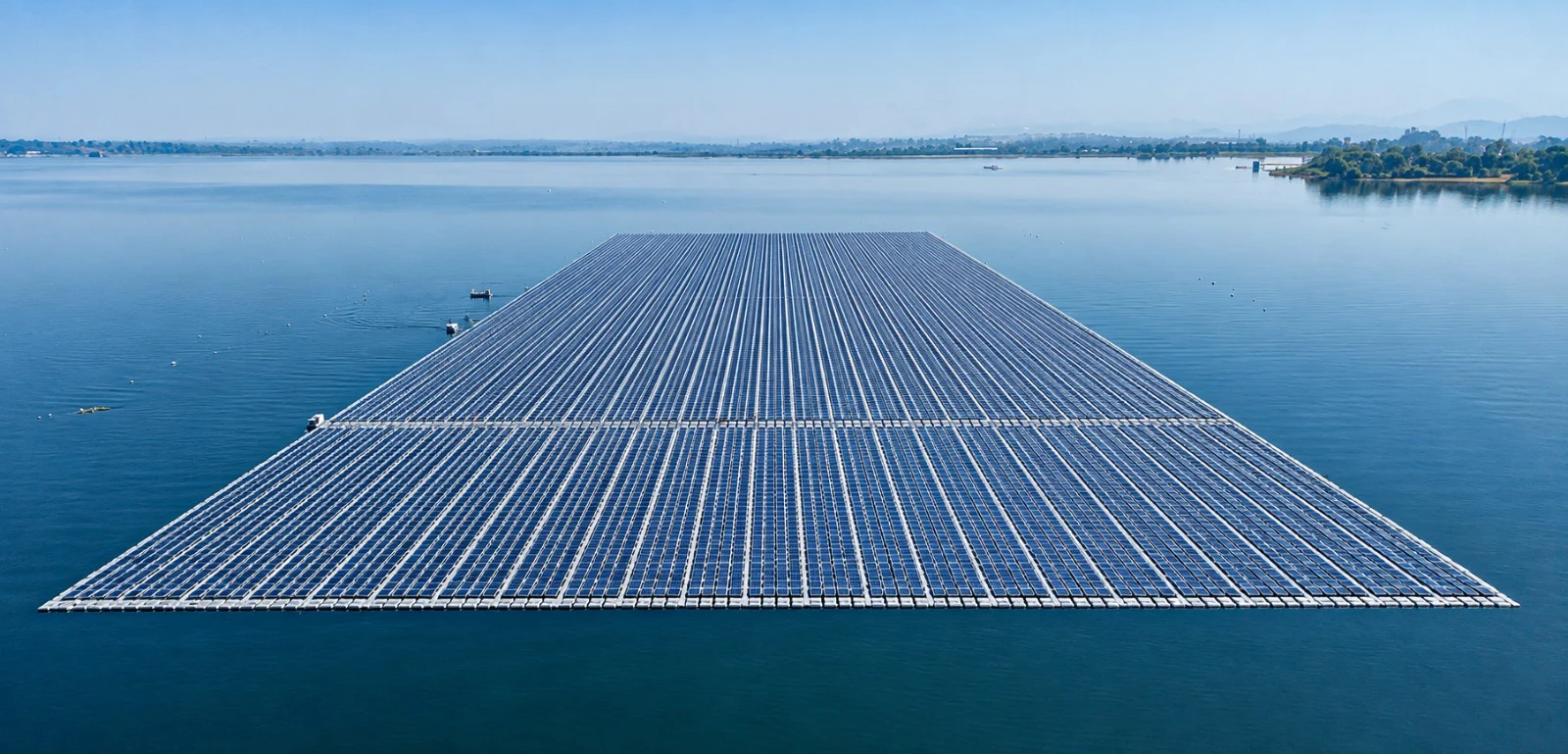
Floating Solar Pontoon
Complete floating solar solutions - engineered, manufactured, and installed by one team.
Engineering the
Future of
Water-Based
Power.
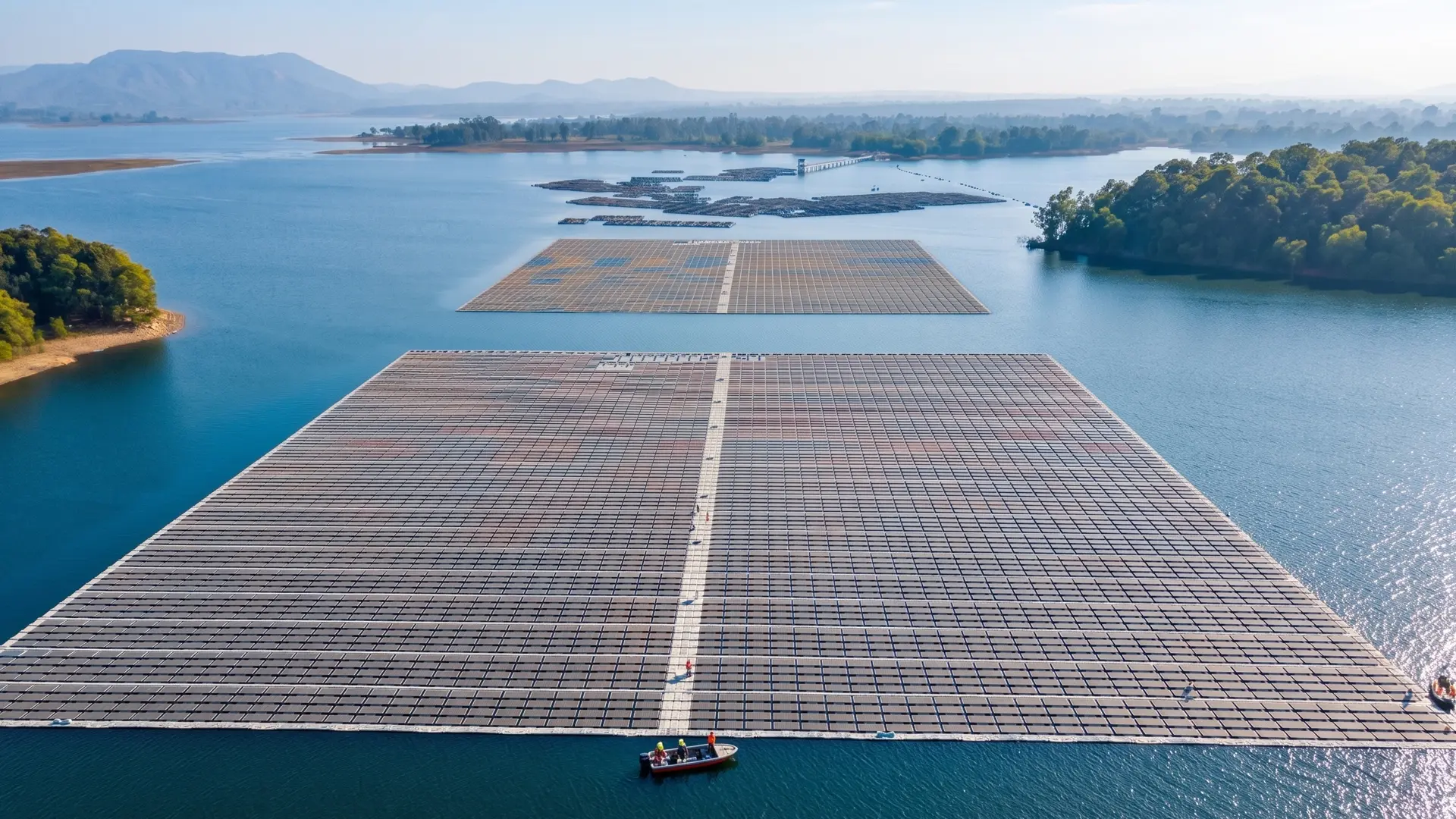
Floatex Solar leads the way in innovative Floating Platform and Structure solutions for the solar industry.
Crafted by our skilled team, these platforms unlock the solar potential of water bodies. Serving as sturdy
foundations for solar panels, they optimize land utilization while expanding opportunities for solar
installations.
Our solutions prioritize sustainability, harnessing renewable energy with minimal
environmental footprint. With Floatex Solar, embrace cutting-edge technology that maximizes energy
production while preserving natural ecosystems, paving the path towards a greener future.
One Point of Contact, No Surprises.
Most floating solar projects suffer from fragmented ownership - one party designs, another manufactures, a third installs. Gaps between them cost time, money, and accountability. We eliminate that entirely.
Site Surveys
We assess your site - water levels, wind data, bathymetric surveys, and soil conditions - so you have everything you need to make the right decisions before a single component is ordered.
Engineering & Design
engineering, load calculations, and specs are developed in-house, tailored to your project.We design systems around the specific conditions of your site. All
Built for Water.
Engineered for Performance.
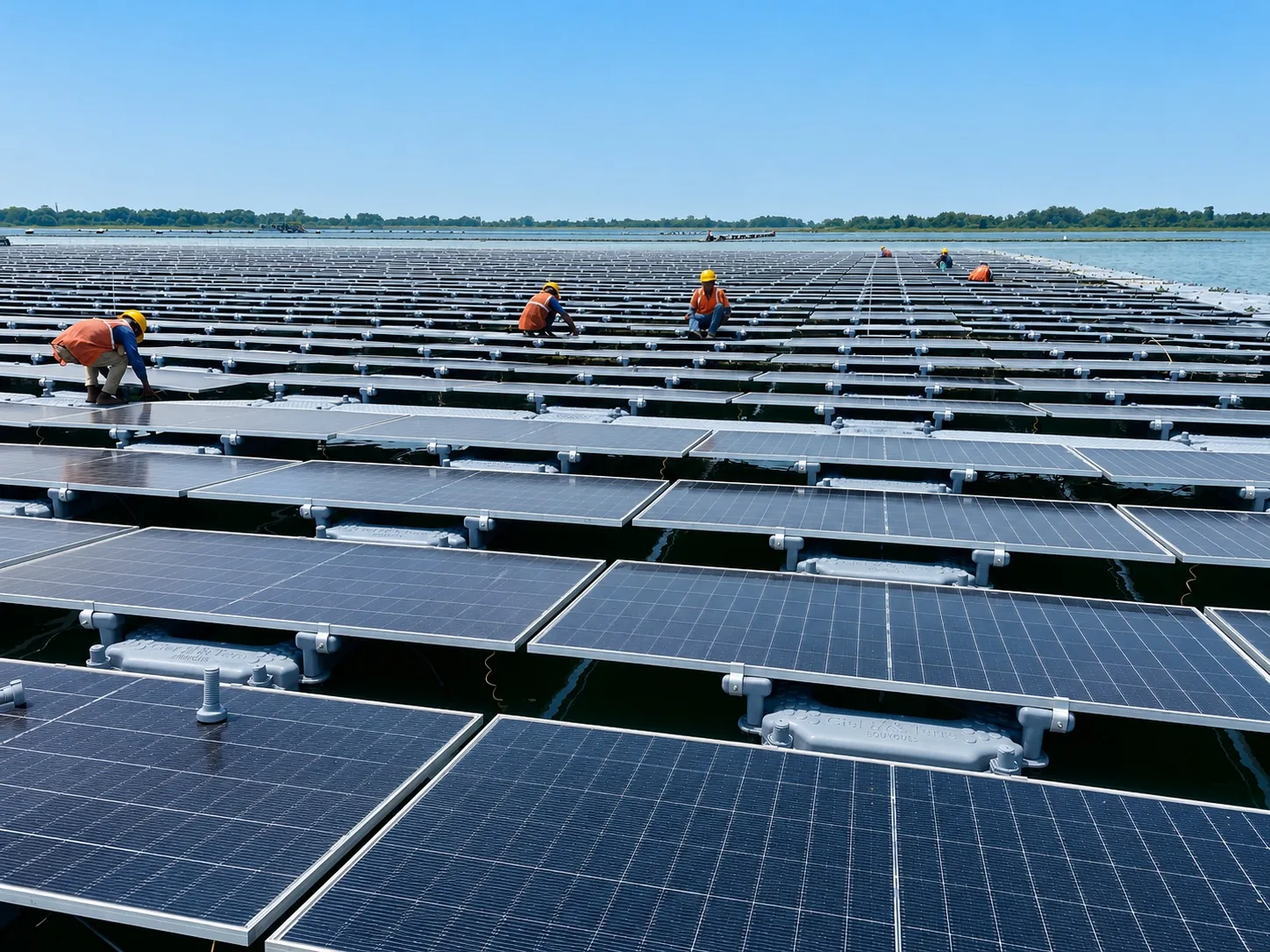
Every Floatex system is designed to outlast harsh aquatic environments - from wave-exposed reservoirs to shallow irrigation canals - while delivering peak generation throughout its 25+ year lifecycle.
Advanced Anchoring
Our patented mooring system withstands extreme weather
and 200km/h wind
speeds.
Zero Contamination
HDPE floats are 100% recyclable and
food-grade certified, ensuring no
water
contamination for reservoirs.
+25%
Efficiency boost due to water cooling
effect on solar PV cells.
Live Monitoring
Real-time SCADA integration
Project
Highlights
Take a look at some of the highlights of our floating solar projects in India.
VIEW ALL PROJECTSWe also provide supervision services to support your contractors throughout construction, ensuring seamless project execution and adherence to design specifications at every stage.
- Flexible, dispatchable BYOP
- Strategic siting & development partnerships
- Financing structures built to support growth
Floating Solar PV & Pontoons -
Frequently Asked Questions
A solar photovoltaic system converts sunlight to electricity using PV modules. The same method of power generation applies; however, in an FSPV system, the solar panels are installed on a structure that floats on water.
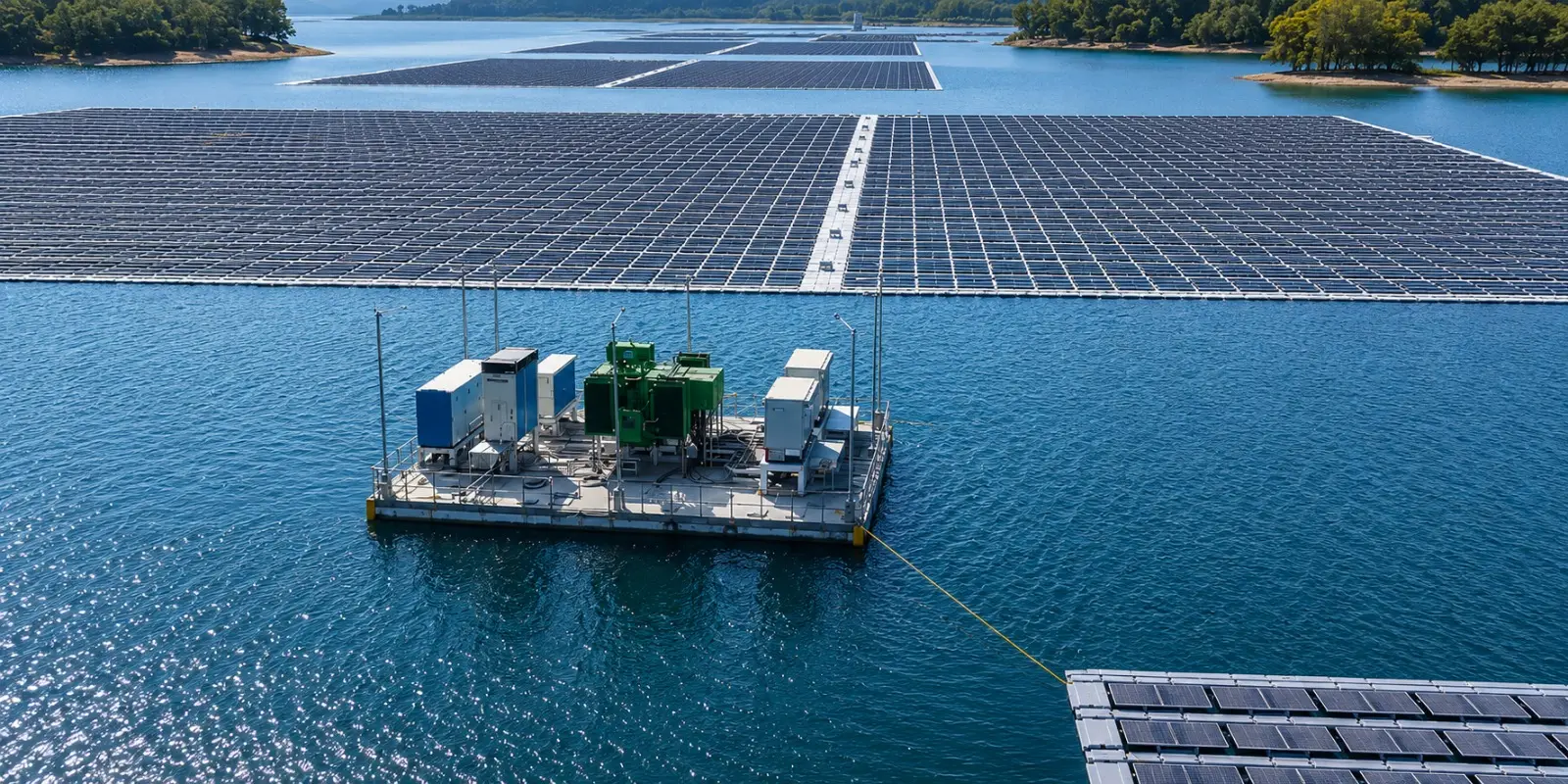
FSPV or FPV stands for floating solar photovoltaic power system. It is a type of photovoltaic power system where the solar array is mounted on floating platforms. The system includes solar modules, floating pontoons, an anchoring and mooring system, an electrical system and cable management system, and safe access.
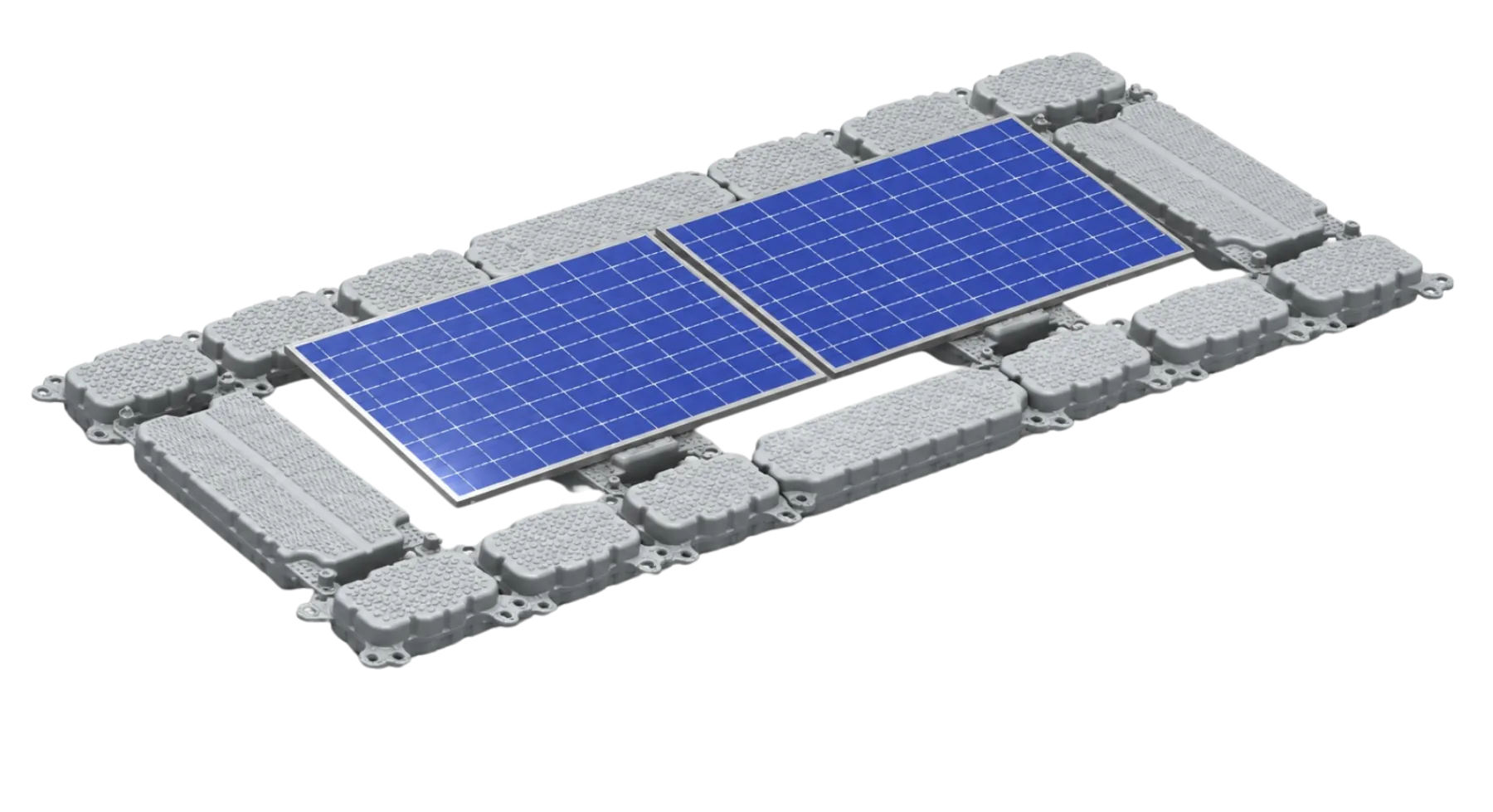
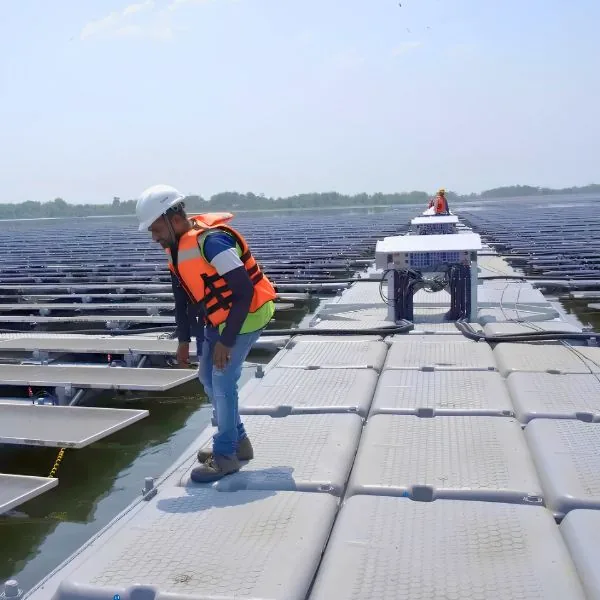
Floating pontoons support both the solar array and the walkways/equipment. Floating utility-scale solar power plants comprise several pontoon or float structures assembled into a larger engineered structure designed around the module layout and site-specific environmental loads.
The modular floating platform for solar PV panels and maintenance corridors can be made from HDPE floats. Determining the float configuration requires consideration of the material specifications, structural design, UV exposure, connections and loads, and compatibility with the water body.
Water area availability, bathymetry, maximum and minimum water levels, wind velocity, wave conditions, water chemistry, anchoring, solar resources, electrical evacuation, maintenance access, and environmental constraints should be considered when designing the system. The Floatex design process currently includes assessments of water levels, wind, bathymetry, and soil/site conditions before system engineering.
A floating system is attached to a mooring and anchoring system specifically designed to limit array movement while accounting for various loading conditions and changes in water levels. The type of anchors, mooring geometry, and mooring lines are highly site-specific.
Water can help cool the modules, and research indicates that this cooling effect can, in some cases, result in higher energy yields. However, this efficiency improvement is not an absolute percentage but rather a function of many factors, including climate, type of module, array shape, and site characteristics.
Floating pontoons are primarily designed to provide support structures for the panels. Ferrocement barges can be used as rigid platforms for utilities and for installing devices such as electrical inverters and transformers.