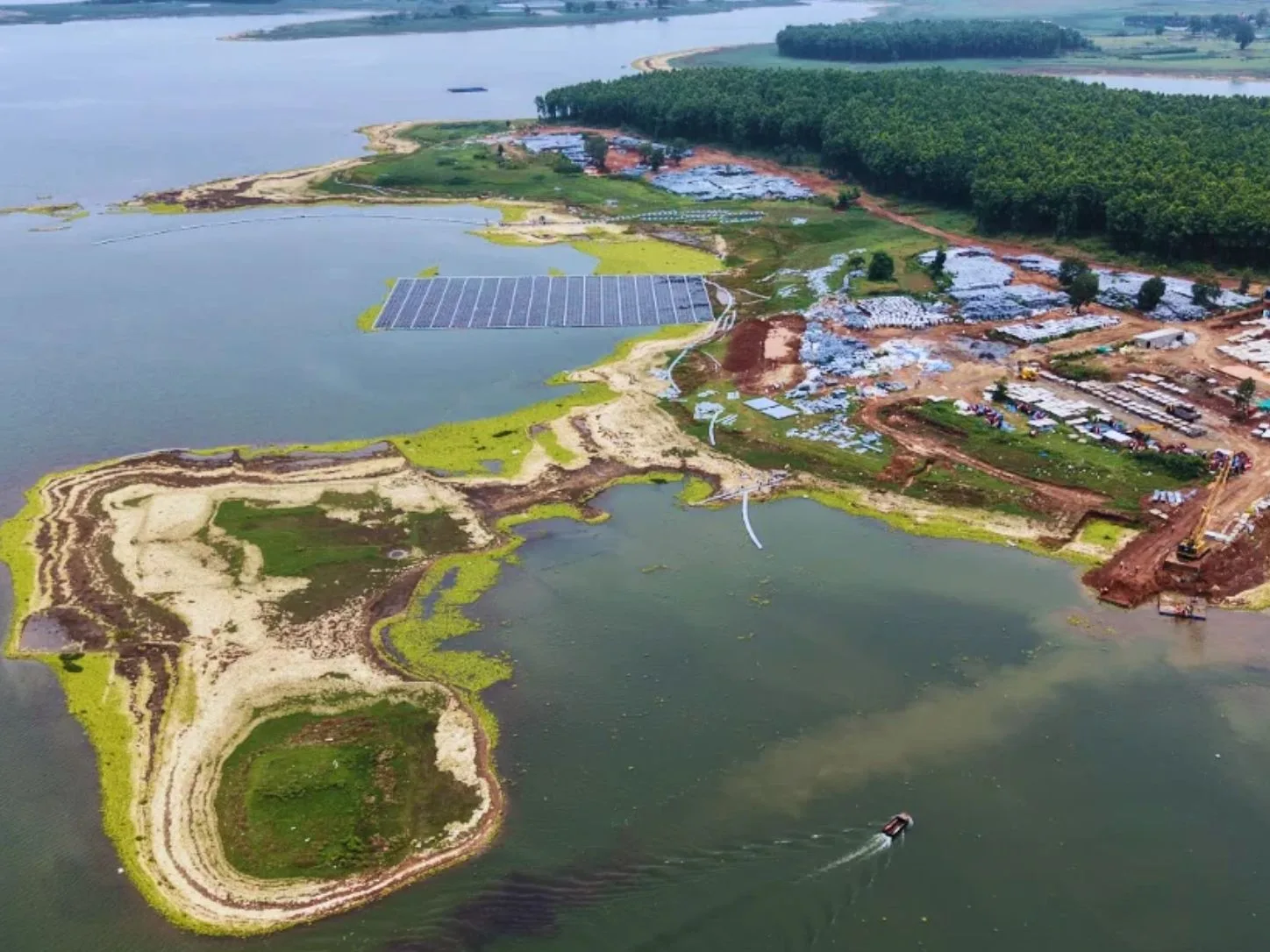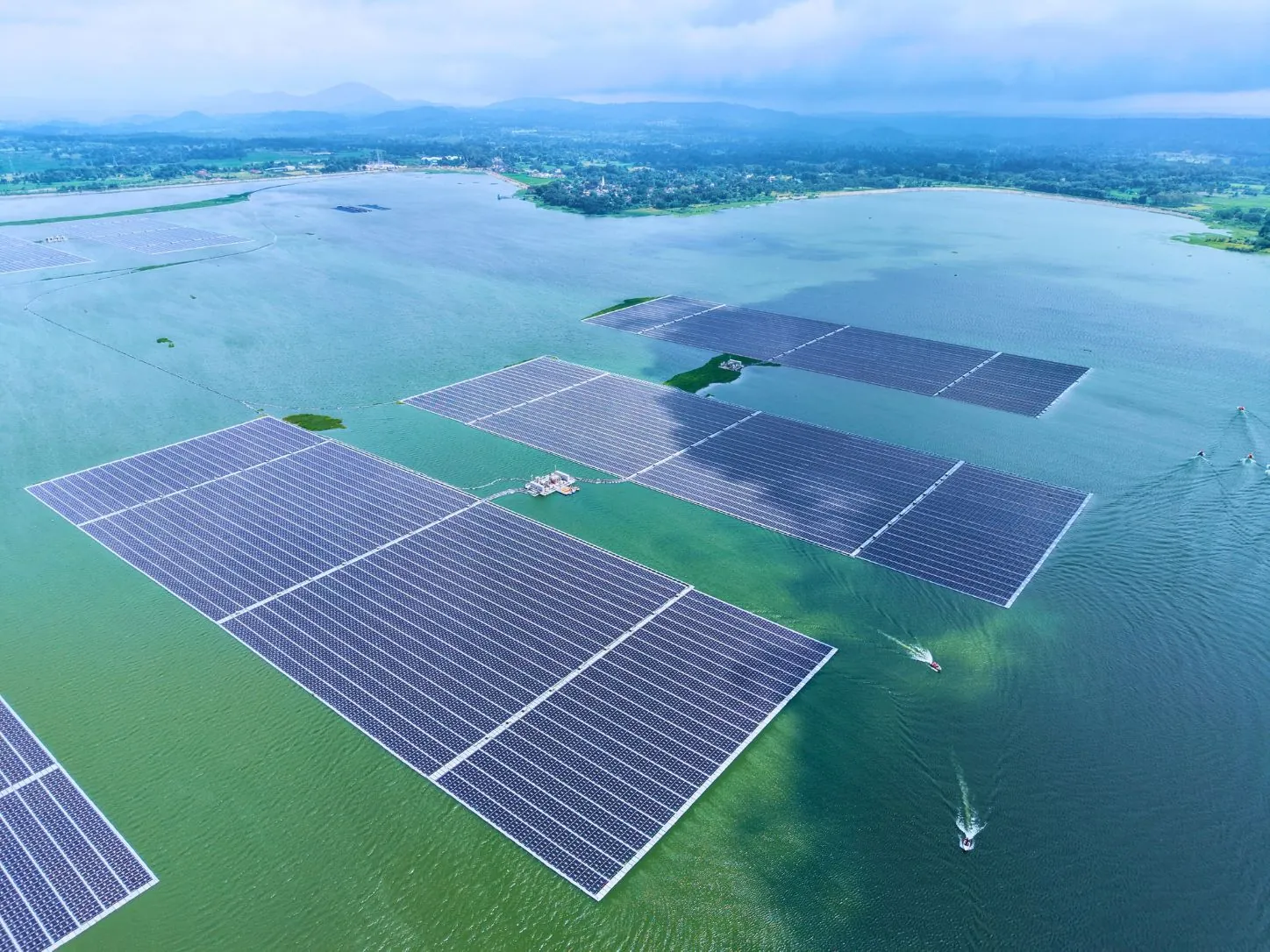

Floating solar is a way to add power in places where land is not available.
It uses reservoirs, dams, and industrial ponds. This is a technology the industry needs to know about now. The National Institute of Solar Energy estimates the country's potential at 102.18 GWp. The new scheme, Pradhan Mantri Surya Sarovar Yojana (PM-SSY), has been approved by the Union Cabinet of India to support 5,000 MW of floating projects.
Floatex Solar is part of the discussion about storing energy and hydrogen at the Renewable Energy India Expo. The Expo will be held in Greater Noida, India, from 22 to 24 October 2026. Floatex Solar will show 3D models of its projects at the expo. These models will help visitors understand how floating solar plants are designed and built on water. It will also let them see how these projects function in real-world conditions.
The Renewable Energy India Expo is organised by Informa Markets. The Expo gathers developers, EPC companies, utilities, decision-makers, investors and manufacturers. As the organisers said, the 2025 event had 58,986 trade visitors and 1,035 brands.

What Is a Floating Solar Power Plant?
A floating solar power plant is a solar photovoltaic system. The panels are on floats or pontoons; they're moored on a water body. This includes reservoirs, dams, lakes, canals or industrial ponds. Electrically, it works like any photovoltaic power plant in which modules generate DC power. Then the inverters convert it to AC, and the transformers step it up for the grid.
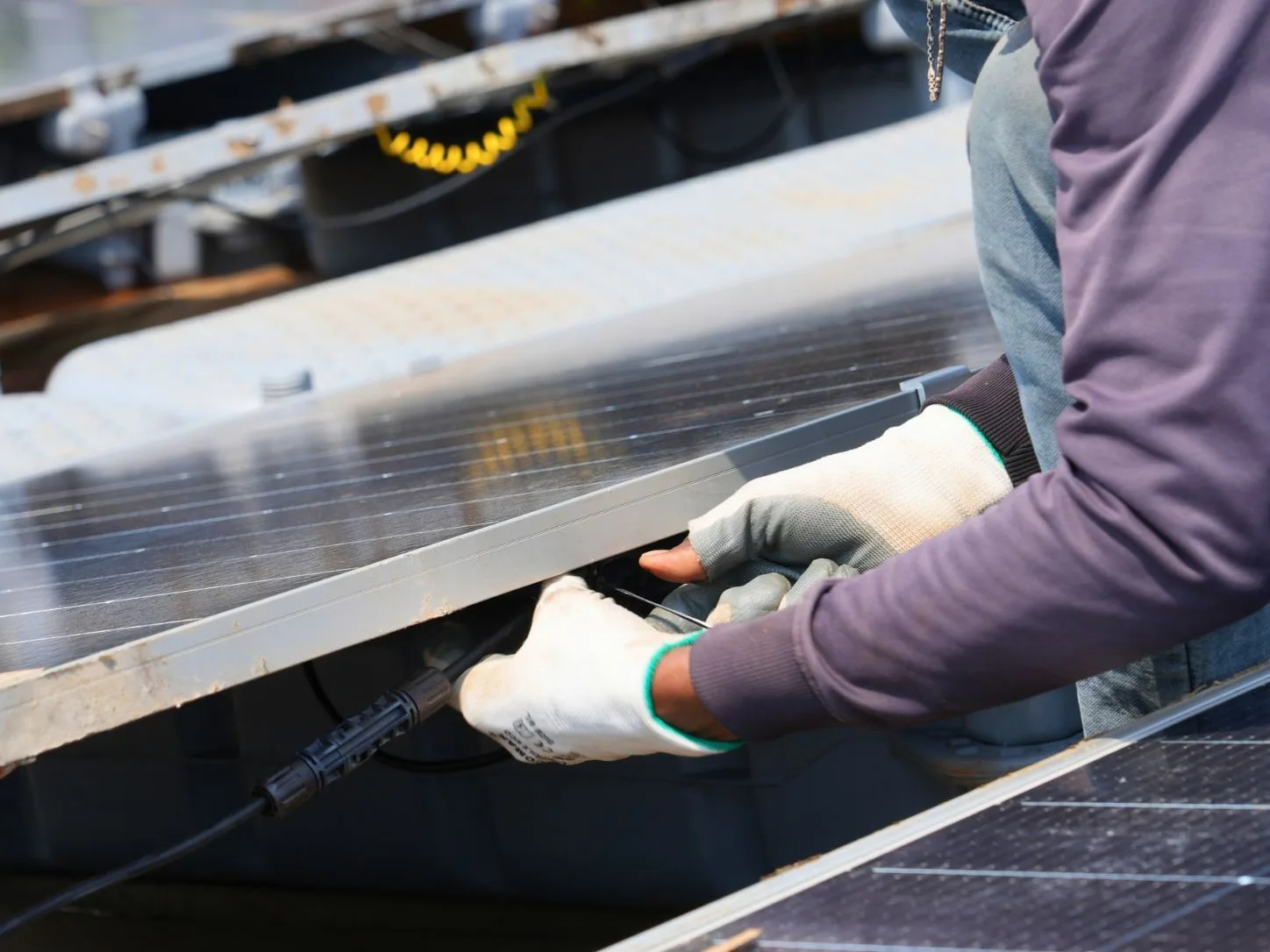
Floating solar panels are placed on HDPE floats that keep the panels above the water. Anchors and ropes keep them from moving. Walkways let workers get to the panels to clean them and fix them. The electrical equipment is often found on the land or on a floating platform.
Why Is Floating Solar Relevant to India?
Ground-mounted solar needs a large area of land. Reservoirs, dams and industrial water bodies already exist, and NTPC has built floating solar on reservoirs at its own power stations. That is why floating solar panels in India are going onto thermal power station reservoirs and hydropower dams.
India has a huge potential for floating solar. The National Institute of Solar Energy says the potential is 102.18 GWp, as assessed in June 2026. The leading states for that potential are Maharashtra, Madhya Pradesh, Karnataka, Odisha, and Telangana.
India has installed 700 MW of floating solar so far. In July 2026, the government also approved a ₹5,070 crore scheme to build 5,000 MW of floating projects, and energy storage is part of the scheme.
Benefits like land use, possible cooling of modules and reduced evaporation depend on the site, design, and project requirements. The 102 GWp figure is a ceiling rather than a forecast, and water depth, competing uses and grid access will rule some sites out.
Why Floating Solar Deserves Attention at Renewable Energy India Expo
Floating solar is where many specialists converge: reservoir owners, utilities, developers, EPC firms, float makers, module makers and financiers. The Renewable Energy India Expo audience is the developers, EPCs, utilities, policymakers, consultants, investors, manufacturers and academics. The audience covers all of these groups.
Timing strengthens this case. The Surya Sarovar scheme was approved less than three months ago, and it brings up practical questions about site selection, feasibility studies, storage pairing and domestic manufacturing of floating systems. Discussions at the Renewable Energy India Expo will not answer all those questions, but they allow the floating solar industry to compare technical approaches, meet specialist suppliers and begin working relationships.

Why Attend Renewable Energy India Expo?
Based on the organisers' stated audience and programme, here is where attending can really pay off:
- Developers and EPC companies: compare solar PV modules, storage systems and other equipment suppliers in one venue rather than across months of separate meetings.
- Investors and business decision-makers: the exhibition and conference offer a read on where the market is heading across solar, storage and hydrogen.
- Technology providers and manufacturers: get together with developers, EPCs, utilities and distributors in person. A 2025 exhibitor comment on the site says the event did a good job of bringing the whole supply chain together.
- Companies exploring projects or partnerships: shorten the supplier search. Bring site-specific questions for floating solar specialists.
What Opportunities Can Visitors Explore at Renewable Energy India Expo?
For anyone working in or exploring renewable energy, the renewable energy expo offers several areas worth paying attention to.
- Technology discovery: The expo is a good place to see what's new in clean energy, from solar panels and batteries to hydrogen and EV charging.
- Market understanding: The programme looks at how to roll out power systems, grow the tech and build the groundwork that the energy transition will need for the next generations. The energy transition will rely on these foundations.
- Networking: The 2025 edition brought together 1,602 VIP guests and delegates. It also included international country pavilions. Premium visitor and executive delegate registration routes are listed.
- Questions to bring: How are moorings designed for level swings? What platforms carry inverters? How is maintenance access handled? Can storage be added later?
FAQs
When and where is Renewable Energy India Expo 2026?
It runs 22–24 October 2026; the timings are 10 AM to 6 PM. The venue is India Expo Mart, Greater Noida (Delhi-NCR).
Who should attend the Renewable Energy India Expo?
People from across the renewable energy industry should attend the Expo. This includes project developers, companies, investors, manufacturers, government officials and researchers.
What is a floating solar power plant?
It is a PV system mounted on floats and moored on a water body such as a reservoir or canal. It generates power without needing land.
How much floating solar potential does India have?
NISE (under MNRE) assessed about 102.18 GWp in June 2026 using 20% of the reservoir area.
What is ferrocement used for in floating solar?
According to Floatex Solar, ferrocement platforms provide buoyant bases for heavy electrical equipment such as inverters and transformers.